
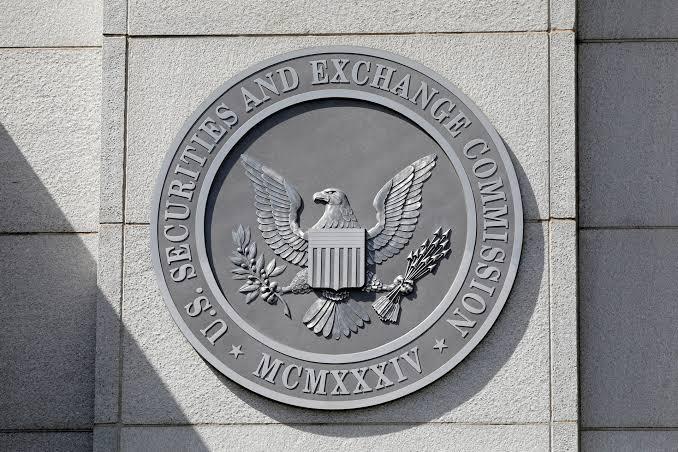
The SEC Has Changed What Cybersecurity Means for Public Companies
For US public companies, June 3, 2026 was not a soft deadline. The amended Regulation S-P compliance date, combined with ongoing enforcement of the SEC's 2023 cybersecurity disclosure rules, means that public companies now face a regulatory environment in which cyber incidents, risk governance, and board oversight are subject to active scrutiny - and material failures can result in enforcement action, civil liability, and significant reputational damage.
The SEC's message has been consistent: cybersecurity disclosure is no longer an IT matter. It is a material business risk that boards must actively govern and that companies must report transparently. The organizations that understood this early have built governance structures to match. Those that treated it as a compliance checkbox are now operating with meaningful exposure.
This article outlines what the SEC rules actually require, why evidence quality matters as much as policy quality, and how organizations can build a defensible cybersecurity governance posture for the enforcement era.
What the SEC Rules Actually Require
The SEC's cybersecurity rules operate across two primary disclosure channels:
Form 8-K Item 1.05 - Material Incident Disclosure. When a company experiences a cybersecurity incident that it determines to be material, it must file a Form 8-K within four business days of that determination. The disclosure must describe the nature, scope, timing, and material impact of the incident.
This four-day window is tighter than it sounds. The clock starts when the company determines materiality - not when the incident occurs. This means companies need established processes for rapidly assessing and determining materiality, supported by verifiable incident documentation.
Every annual report must include disclosure on: the company's processes for assessing, identifying, and managing material cybersecurity risks; whether material risks have been identified; the board's oversight of cybersecurity risk; and management's role and expertise in managing cybersecurity risks.


