


RAG Without Integrity Verification Is a House of Cards
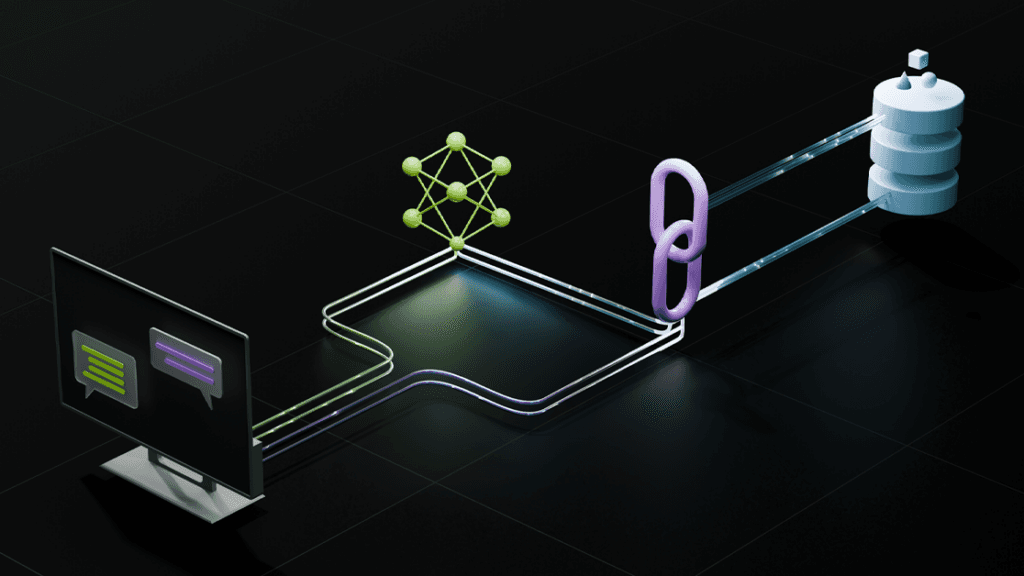
Retrieval-Augmented Generation (RAG) architectures were designed to solve a specific problem: language models have a training cutoff, but enterprise knowledge is dynamic. By retrieving relevant documents at inference time, RAG systems can provide up-to-date, domain-specific answers without expensive retraining.
The architecture works. The trust model it assumes, however, rarely holds.
Most enterprise RAG implementations retrieve from document stores that have no integrity verification layer. The model assumes the retrieved documents are accurate, unmodified, and from the sources they claim to be from. In practice, there is no mechanism in most RAG implementations to verify any of these assumptions.
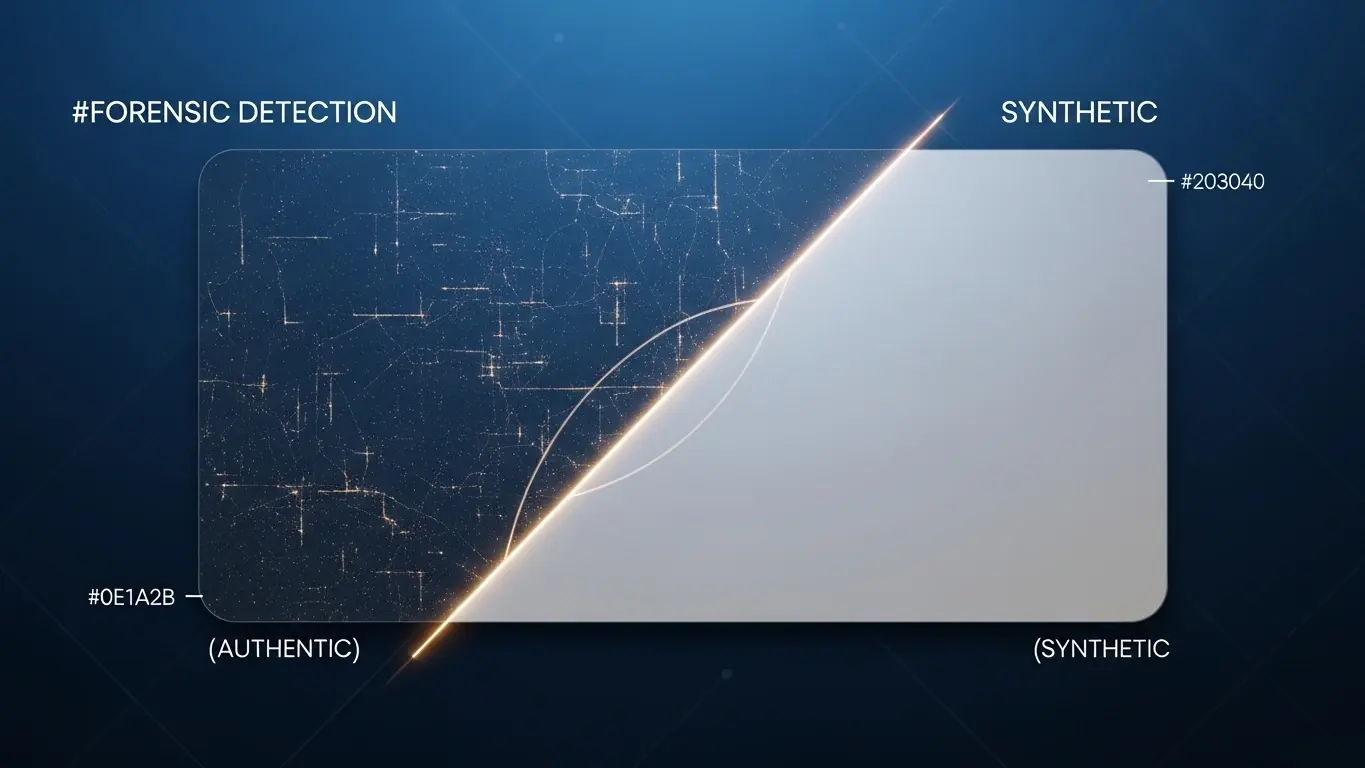
Cryptographic data fingerprinting addresses this directly. By anchoring a hash of each document at ingestion time and verifying it at retrieval time, organizations can build RAG pipelines where every retrieved document comes with a mathematical proof of its integrity.
How Cryptographic Fingerprinting Works
The mechanism is conceptually straightforward:
-
At ingestion: when a document enters the RAG corpus, compute its SHA-256 hash (or equivalent). Anchor this hash, along with a timestamp and source metadata, to an independent, tamper-resistant ledger.
-
At retrieval: before passing a retrieved document to the model context, recompute its hash. Compare it against the anchored value from the ledger.
-
On mismatch: if the hashes differ, the document has been modified since ingestion. The RAG system should reject the document and alert the security team rather than passing potentially compromised content to the model.
-
Continuous monitoring: beyond per-retrieval checking, the integrity layer should monitor the corpus continuously - detecting modifications to documents that have not been recently retrieved but that could be pre-positioned for future attacks.
The performance overhead is minimal - hash computation for a typical enterprise document takes microseconds. The security benefit is significant: any modification to any document in the corpus becomes immediately detectable, regardless of how or by whom it was made.
import { createHash } from 'crypto';

interface VerifiedDocument {
  content: string;
  hash: string;
  anchoredAt: string;
  source: string;
}

async function verifyDocumentIntegrity(
  document: VerifiedDocument,
  ledger: IntegrityLedger
): Promise<{ verified: boolean; reason?: string }> {
  // Recompute hash from current document content
  const currentHash = createHash('sha256')
    .update(document.content)
    .digest('hex');

  // Retrieve the anchored hash from the immutable ledger
  const anchoredRecord = await ledger.getRecord(document.source);

  if (!anchoredRecord) {
    return { verified: false, reason: 'No integrity record found for document' };
  }

  if (currentHash !== anchoredRecord.hash) {
    return {
      verified: false,
      reason: `Hash mismatch: document modified since ${anchoredRecord.anchoredAt}`
    };
  }

  return { verified: true };
}

// Usage in RAG retrieval pipeline
async function retrieveVerifiedDocuments(
  query: string,
  vectorStore: VectorStore,
  ledger: IntegrityLedger
): Promise<VerifiedDocument[]> {
  const candidates = await vectorStore.similaritySearch(query, 10);

  const verified = await Promise.all(
    candidates.map(async (doc) => {
      const result = await verifyDocumentIntegrity(doc, ledger);
      return { doc, ...result };
    })
  );

  // Filter to only integrity-verified documents
  const safe = verified.filter(v => v.verified).map(v => v.doc);

  if (safe.length < candidates.length) {
    console.warn(`${candidates.length - safe.length} documents failed integrity check`);
    // Alert security team
  }

  return safe;
}Integrating with Existing RAG Stacks
The integrity verification layer sits between your vector store and your language model context. It does not require replacing your existing RAG infrastructure - it augments it.
Common integration patterns:
LangChain / LlamaIndex: wrap your retriever with a verification step before documents reach the chain or query engine. The code example above shows the pattern - retrieveVerifiedDocuments replaces a direct vectorStore.similaritySearch call.
Custom retrieval pipelines: the hash comparison is two API calls (ledger lookup + hash computation) that can be added to any retrieval function.
Embedded document databases (ChromaDB, Weaviate, Qdrant): store the anchored hash as document metadata at ingestion time. The verification step reads this metadata and compares against the computed hash. For tamper resistance, the authoritative hash record should be on an external ledger, not stored in the same system as the document.
ROOTKey's API integration guide covers how to connect the ledger anchoring and verification calls to your existing pipeline. The ROOTKey platform provides the integrity ledger as a managed service. Start building with the free tier today.
- Audit your current RAG pipeline: at what point (if any) are retrieved documents verified for integrity?
- Implement hash anchoring at document ingestion - this is the minimum viable integrity layer.
- Add hash verification at retrieval time before documents enter the model context.
- For high-risk applications (legal, compliance, medical), implement continuous corpus monitoring, not just per-retrieval checking.
- Test your integrity layer by deliberately modifying a document in your test corpus and verifying the modification is detected before retrieval.
Get cyber-resilience insights in your inbox
Practical, audit-ready guidance on data integrity, compliance and continuity - delivered as we publish.